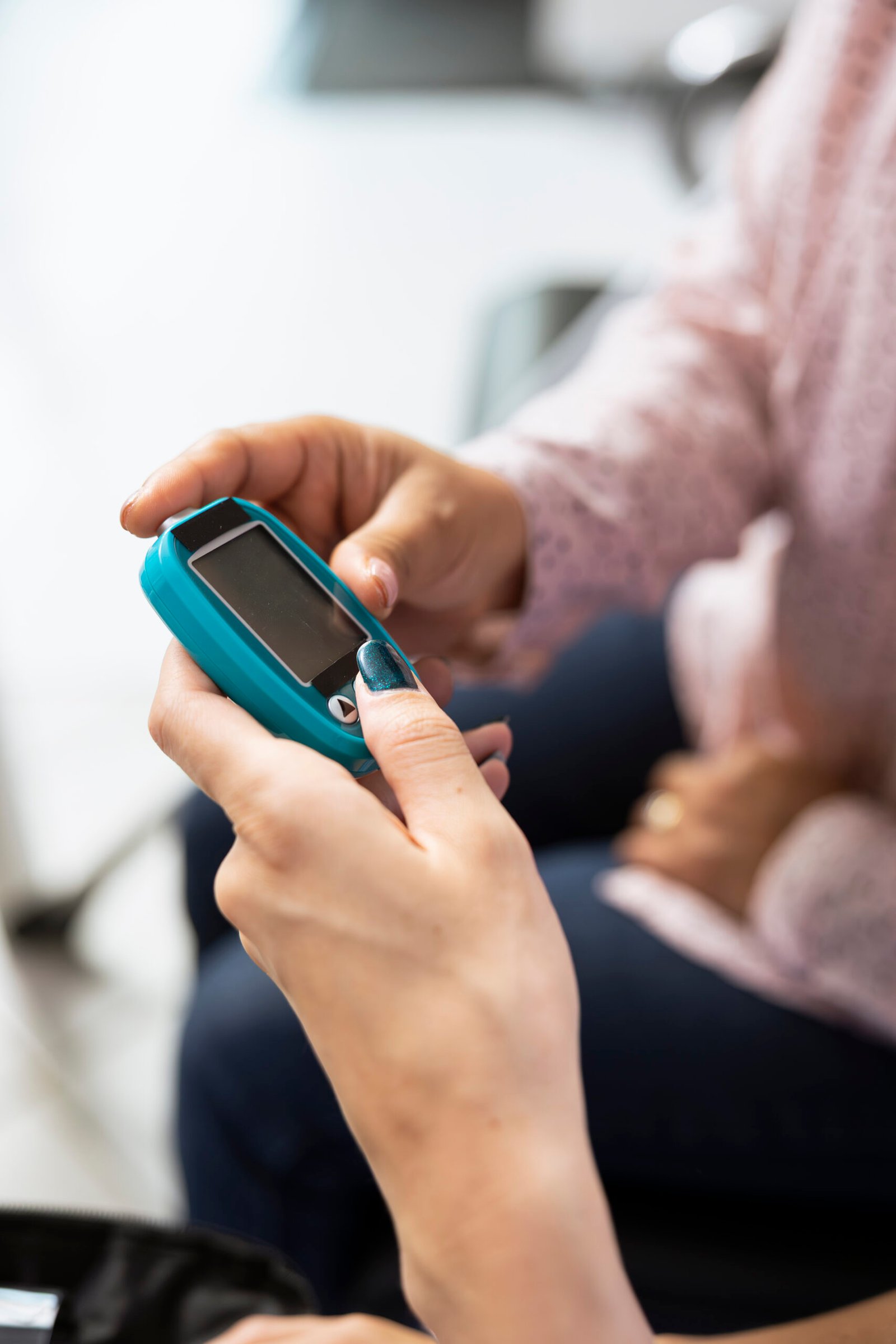
Diabetes mellitus is a chronic metabolic disorder characterized by high blood glucose levels due to reduced insulin production, insulin action, or both. It requires continuous management and education plays a critical role in empowering individuals to effectively manage their condition. A clinical dietitian is an essential member of the healthcare team who can provide education and guidance on nutrition and dietary management for individuals with diabetes.
We are here to help you improve your glycemic control and gain extensive knowledge about diabetes. We provide educational services to all individuals with:
- Type 1 Diabetes Mellitus (insulin pumps, etc.)
- Type 2 Diabetes Mellitus
- Gestational Diabetes Mellitus
- Prediabetes
- Insulin Resistance
Some points we will try to cover in our appointment:
Understanding Diabetes: The clinical dietitian can explain the different types of diabetes (Type 1, Type 2, gestational diabetes) and the underlying mechanisms that lead to high blood glucose levels. They can also clarify misconceptions and address common myths related to the condition.
Carbohydrate Counting: Carbohydrate counting is a fundamental skill for individuals with diabetes (especially for individuals with Type 1 diabetes), as carbohydrates have the most significant impact on blood glucose levels. The dietitian can teach individuals how to identify and estimate the carbohydrate content of different foods, read nutrition labels, and calculate insulin doses based on carbohydrate intake.
Glycemic Index/Load: They can educate individuals about the glycemic index (GI) and glycemic load (GL) of foods. They can explain how different carbohydrates affect blood glucose levels differently and help individuals make choices that promote better glycemic control.
Meal Planning: They can help individuals create personalized meal plans that meet their nutritional needs and align with their diabetes management goals. They can provide guidance on portion control, meal timing, and the distribution of carbohydrates, proteins, and fats throughout the day. Additionally, they can offer practical tips for meal preparation and suggest healthy food alternatives.
Blood Glucose Monitoring: They can teach individuals how to monitor their blood glucose levels using glucose meters and continuous glucose monitors (CGM). They can explain target ranges for blood glucose and guide individuals in interpreting and responding to the results.
Hypoglycemia Management: Low blood sugar or hypoglycemia is a potential complication of diabetes treatment. The dietitian can educate individuals about the symptoms, causes, and prevention of hypoglycemia. They can also provide recommendations on appropriate actions to take when blood sugar levels drop too low.
Reading Nutrition Labels: They can educate individuals on how to read and understand nutrition labels on food packages. This includes identifying hidden sugars, evaluating portion sizes, and making informed choices based on the nutrient content of foods.
Lifestyle Modifications: Beyond diet, a clinical dietitian can discuss the importance of physical activity, stress management, sleep, and other lifestyle factors in diabetes management. They can provide recommendations for incorporating regular exercise and adopting healthy habits that contribute to overall well-being.
Long-term Complications: Diabetes can lead to various long-term complications, such as heart disease, kidney disease, and nerve damage. The dietitian can educate individuals about these potential complications and the role of nutrition in reducing risk or managing existing conditions.
Ongoing Support: Education is an ongoing process and the clinical dietitian can provide continuous support and guidance to individuals with diabetes. They can help address challenges.
However, the most important thing for individuals with Diabetes is not just how to eat correctly, but to teach you how different foods affect blood glucose without having to eliminate them completely from your dietary plan.
You will leave our office with real-life strategies for blood sugar management, so you can have more predictability and less hyperintensity in your management.